

 4.8 out of 5 826 reviews on Google
Rideshare Accident Lawyer NYC
Our New York rideshare accident lawyers help people hurt in Uber and Lyft crashes identify which insurance policy applied and preserve trip records and camera footage before they are lost.

Ranked Tier 1, Best Law Firms® in NYC (2026)Attorneys honored by Best Lawyers® & Super Lawyers®
Multi-year honorees recognized by Best Lawyers®, Super Lawyers®, the Multi-Million Dollar Advocates Forum and The National Trial Lawyers: Top 100, among 17 peer and industry recognitions.
See our law firm awards97% Client Satisfaction RateBased on 826 Google Reviews Across NYC & Long Island
Backed by 826 Google reviews across our Manhattan, Queens and Long Island offices, earned through direct partner access, constant case updates and dedicated advocacy.
Read client reviewsOver $1 Billion Recovered118 Seven-Figure Verdicts & Settlements
347 published case results across high-stakes NY accident and injury cases. We prepare every claim with the resources required to go to verdict.
Explore recent client results
Representing Injured New Yorkers Since 1992
We've represented injured New Yorkers since 1992 and have recovered over $1 billion for them.
After a rideshare crash in New York City, you're hurt while insurers each say a different policy should pay and the app company is hard to reach. Bills arrive before answers do. Raphaelson & Levine is the firm rideshare passengers, drivers, and people hit by a rideshare vehicle call to find out who has to answer for their injuries.
New York generally requires a serious injury before you can claim pain and suffering from the other driver's liability carrier. In plain terms, that is the law's way of asking how much the crash changed your body and your daily life, and we read your medical care with that question in mind from the first conversation.
Talk with us and you'll leave the first conversation knowing whether you may have a claim, which insurers should be responding, what to hold onto, and what happens next.
Quick Answers About Rideshare Accident Claims in NYC
People who call our New York rideshare lawyers usually need four answers first: whether they have a case, who pays, what it’s worth, and whether they can claim against the company.
You may have a rideshare accident case if someone else caused the crash and you were injured.
We review claims for Uber and Lyft passengers, injured rideshare drivers, and people hit by rideshare vehicles. Whether you can recover pain and suffering generally depends on meeting New York’s serious-injury threshold.
During your free consultation, we’ll review what happened, your medical care, and the information needed to evaluate your claim.
The applicable no-fault insurer generally pays eligible medical bills and part of your lost wages; an at-fault party’s liability insurance may pay additional damages.
For passengers, no-fault usually comes from the vehicle they occupied. A pain-and-suffering claim generally requires a serious injury.
The rideshare vehicle’s insurer, another driver’s insurer, or additional coverage may apply. We check the vehicle’s licensing, trip records, and policies to identify who should respond.
Your New York rideshare accident case’s value depends on your injuries, financial losses, responsibility for the crash, and available insurance.
We evaluate your medical bills, future care, lost income, and how your injuries affect daily life. An initial conversation helps identify these issues, but a meaningful valuation may require medical records, a clearer prognosis, evidence of fault, and verified coverage.
When the evidence supports a preliminary valuation range, your attorney can explain that range, its assumptions, and what could change it. An insurance policy’s limit is not the same as your case’s value.
For rides governed by New York’s statewide TNC rules, coverage depends on trip status:
- App off: The driver’s personal auto policy generally applies to personal driving.
- App on, no accepted trip: Required liability limits are at least $75,000 per injured person, $150,000 per accident, and $25,000 for property damage, plus required no-fault coverage.
- Trip accepted, including pickup travel: Required liability coverage is at least $1.25 million per accident, with separately required no-fault and UM/SUM coverage.
NYC distinction: TLC-licensed vehicles follow different insurance requirements. We check the pickup location, vehicle classification, trip status, and actual policies to identify potentially available coverage and any issues that need further investigation.
You may be able to sue Uber or Lyft, but a claim against the company itself requires a legal basis beyond the fact that its app was used.
The driver, another motorist, or a vehicle owner may also be responsible. An insurance claim and a lawsuit against Uber or Lyft are different steps.
We investigate the trip, vehicle, and circumstances to identify the parties and policies that may be involved.
Types of Rideshare Accident Cases We Handle
Our New York rideshare accident attorneys represent passengers, other drivers, pedestrians and cyclists, and the rideshare drivers themselves in crashes across New York City. These crashes usually involve more than one insurer, so we start by pinning down which policies applied, then pursue the claim in New York courts when the insurers won't pay.
- Uber accident lawsuit: If you were riding in an Uber, or an Uber driver hit you, we look at when a claim can reach Uber itself and how Uber's coverage attaches depending on whether the driver was logged in, waiting for a request, or carrying a passenger. We gather the trip record and app screenshots early so no insurer can dispute the driver's status later.
- Lyft accident lawyer: If a Lyft driver hit you or you were hurt as a Lyft passenger, we work through Lyft's policy periods, the kinds of crashes that support a claim, and how a Lyft lawsuit is filed in New York. We identify every policy in play, take the insurers' calls, and keep the New York deadlines from slipping while you focus on treatment.

Meet Our New York Rideshare Accident Lawyers
Founded in 1992, Raphaelson & Levine is a New York personal injury law firm representing people injured in Uber and Lyft crashes. Our 16 attorneys bring 240+ years of combined legal experience, with offices in Manhattan, Flushing, and Woodbury on Long Island.
Your Dedicated Legal Team: When you hire us, you'll have a dedicated paralegal, trial attorney, and firm partner leading your case, plus a direct line of contact for questions and guidance throughout the legal process.
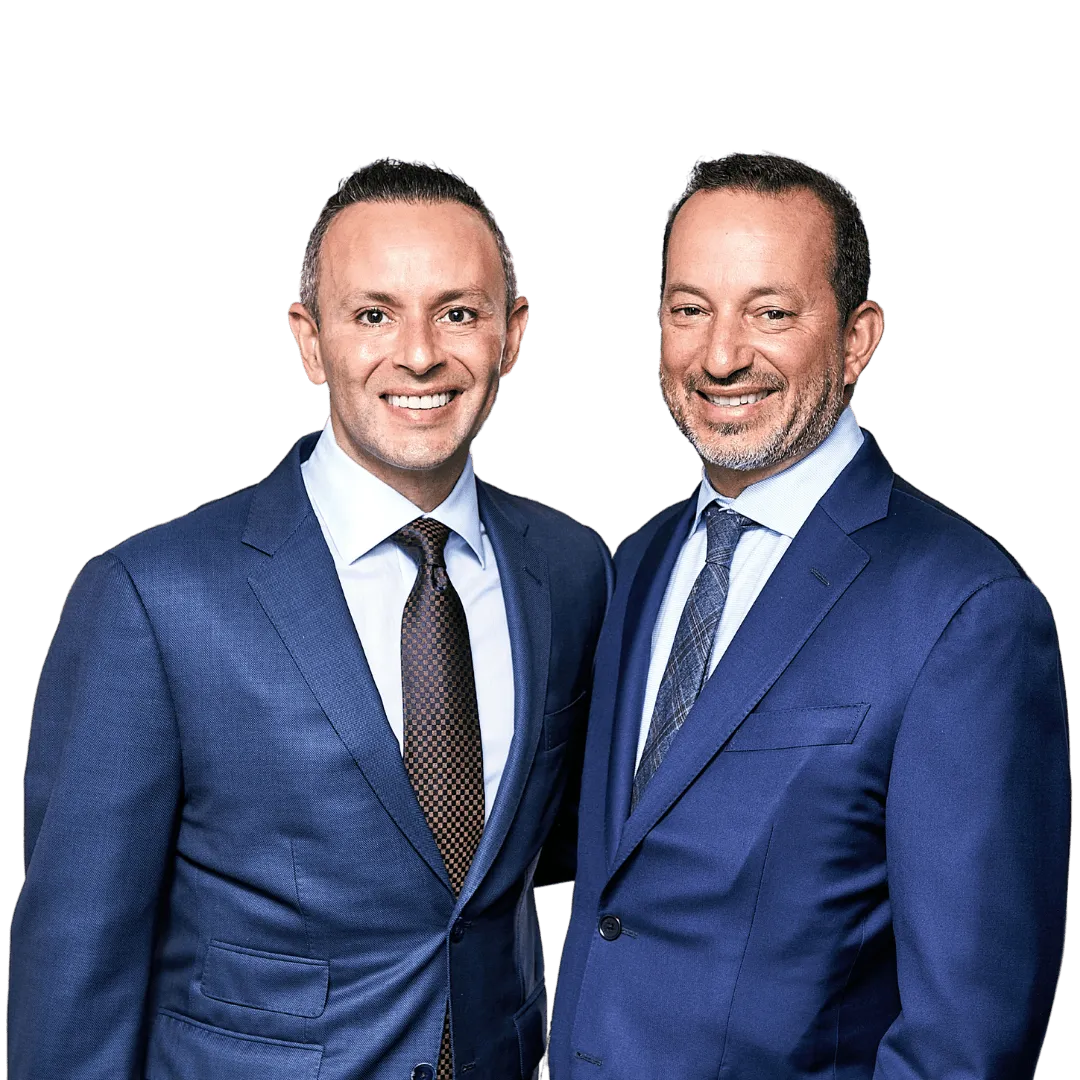
Recognized Legal Leadership: Led by partners Howard Raphaelson and Andrew Levine, Raphaelson & Levine holds a Tier 1 ranking in New York City for Personal Injury Litigation – Plaintiffs from Best Law Firms® (2026). Both partners received Super Lawyers® recognition every year from 2015–2026. Explore our 17 awards and recognitions.
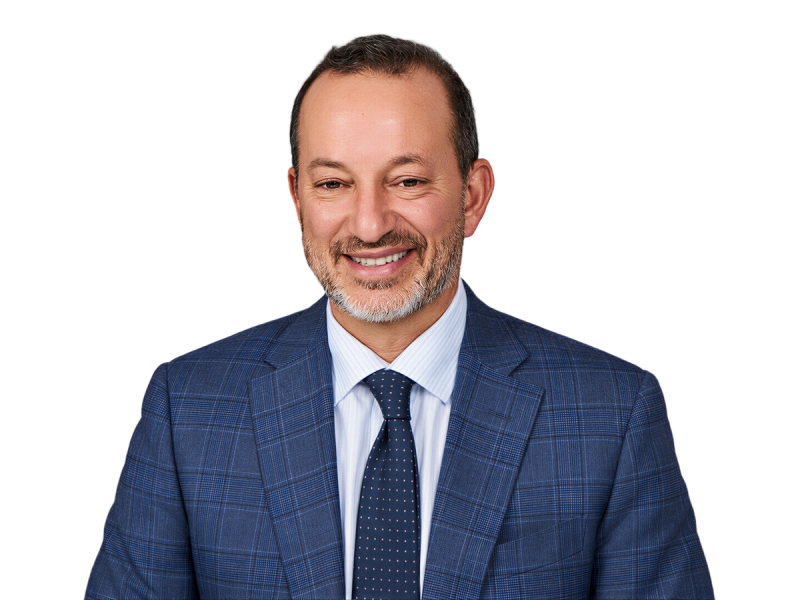
Howard Raphaelson
Partner

Andrew Levine
Partner

Joseph Taylor
Managing Attorney
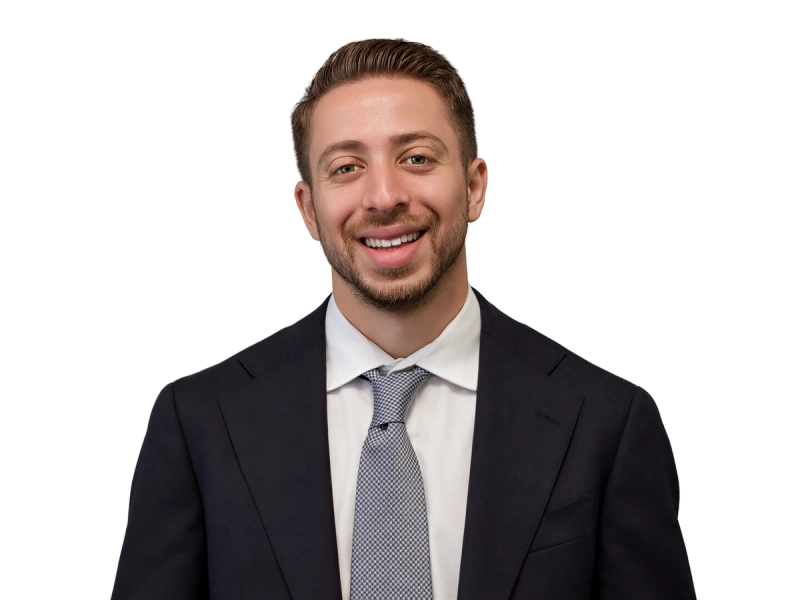
Michael Abel
Attorney
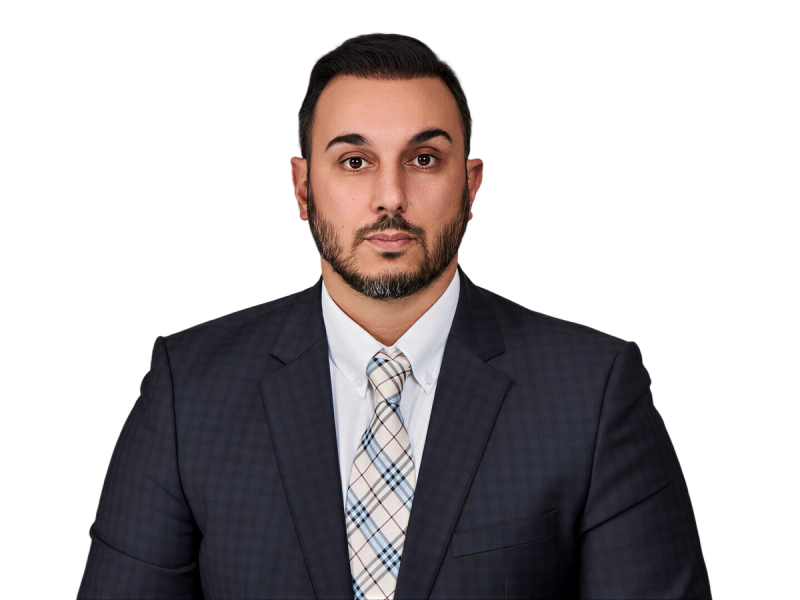
Salvatore Asaro
Attorney

Jared Dubin
Attorney

Julia Fayziyev
Attorney

Corey T. Flick
Attorney

Steven Gershowitz
Attorney

Enrique Hernandez, Jr.
Attorney

Benjamin Katz
Attorney

Jason Krakower
Attorney

Alyx Lewis
Attorney

Dario Martinez
Attorney

Steven November
Attorney

Samantha Raphaelson
Attorney
Ready to protect your rights? Tell us what happened and what medical care you’ve received. Our experienced in-house intake team will help you get started.
What Happens After You Call Us
Your first conversation is with one of our in-house intake specialists. They gather information about your rideshare crash and injuries so we can assess the next step and arrange attorney review.
We ask what happened and whether you were the passenger, someone in another car, on foot or a bike, or the person driving for the app. We ask whether the app was on and a ride had been accepted, because inside New York City that detail helps show which insurance was on the vehicle. We ask about your injuries, your treatment, and whether you have photos, trip screenshots, or the NYPD collision report number.
An attorney reviews the information gathered during intake to assess whether you may have a claim and what further investigation is needed. Depending on your circumstances, you may speak with an attorney during your first call.
Our review focuses on four questions:
- Responsibility: Which driver, vehicle owner, or other party may be responsible for your injuries?
- Coverage: Which insurance policies may apply based on the pickup location, vehicle licensing, and driver’s app and trip status?
- Your losses: What do your medical records, missed work, and ongoing limitations tell us about your damages?
- Urgent next steps: Which evidence needs preservation, and which insurance notices or legal deadlines require attention?
If you qualify, our intake specialist can send a retainer packet during your first call, or set up a call with one of our lawyers if we need more details. You can read the agreement, ask about the terms, or get answers to any of your questions before you hire us.
If you hire us, you’ll know the name of the trial attorney leading your case, the firm partner and paralegal assigned to your file, and how to contact your legal team directly.
Once you hire us, we begin protecting the evidence behind your claim, investigating available coverage, and handling communications about your case.
Our initial work includes:
- App and trip records: Seek preservation of Uber or Lyft trip records, driver activity, and app-status data that can establish whether the driver was waiting, traveling to a pickup, or carrying a passenger.
- Vehicle evidence: Identify the vehicle’s owner and licensing, and seek preservation of relevant vehicle event data and inspection evidence.
- Video: Request preservation of available dashcam, street, and nearby business footage before routine deletion can erase it.
- Witnesses: Identify witnesses and seek their accounts while their recollections are fresh.
- Insurance notices: Identify potentially applicable insurers, track notice requirements, and submit required notices within the scope of our representation.
- Your losses: Gather medical records, treatment information, and wage documentation to support your claim.
We explain what the evidence establishes, what remains uncertain, and how those findings affect the next steps in your case.
You pay nothing upfront. Raphaelson & Levine advances the expenses of pursuing your case, and you owe us no attorney fee or case costs if we do not recover compensation for you.
Case expenses can include medical-record charges, court filing fees, and expert fees. If we recover compensation through a settlement or verdict, our attorney fee and the expenses we advanced are paid from that recovery.
Your written retainer explains these terms. You can review the agreement and ask questions before you hire us.
Why Rideshare Passengers and Drivers Work With Us After a Crash
Raphaelson & Levine helps people injured in New York Uber and Lyft crashes identify available insurance coverage, document their losses, and pursue compensation. Here’s what that work means for your claim.
Identify Who May Pay for Your Injuries
We obtain the Uber or Lyft electronic trip records, pickup locations, driver app status, and vehicle licensing and ownership records. Then we identify every insurance policy that may apply and pursue the claim against the drivers, companies, and insurers responsible.
Build the Evidence Behind Your Claim
To help show how the crash happened and how your injuries affect you, we seek camera footage, the police collision report, vehicle event data, and medical evidence. We send preservation demands for dashcam, street, and business camera footage before it’s overwritten and bring in reconstruction and medical experts when needed.
What You Can Save Now
- Trip receipt, driver details, and app screenshots.
- Crash photos, witness contact information, and the police report number.
- Medical records and messages from Uber, Lyft, or insurers.
You don’t need every record before you call. Our in-house intake team can help you get started.
Prepare Your Claim for Negotiation or Trial
Raphaelson & Levine has represented injured people in New York courts since 1992. We prepare your claim for negotiation and, when appropriate, litigation or trial.
Your attorney explains how a settlement offer compares with the documented losses and evidence in your case, along with the risks, costs, and potential benefits of continuing. If an offer does not fairly address your claim, we discuss pursuing litigation rather than accepting it simply to close the file.
You decide whether to accept a settlement. Our role is to give you the information and advice you need to make that decision.
You can review our recent car accident results to see the motor vehicle matters we have resolved.
Results vary depending on the facts and circumstances of each case.

“I worked with this firm after a serious car accident. They helped with getting things squared away before and after my surgery, managing two insurance claims,...”
Zef D.
Serious car accident
Understanding Rideshare Crash Claims in New York City
Every day, our team helps people injured in Uber and Lyft crashes understand their options. Here are answers to some of the questions we hear most often.
Insurance Coverage and Responsibility
Understand how the ride, vehicle, and your role in the crash affect the coverage questions we investigate.
TLC-licensed for-hire vehicles and vehicles covered by New York’s statewide rideshare law have different insurance requirements.
For a standard TLC-licensed livery or black car seating one to seven passengers, current minimums are:
- Bodily injury: $100,000 per person and $300,000 per accident.
- Property damage: $10,000.
- No-fault benefits: $100,000 per person.
Statewide TNC coverage instead changes when a driver accepts a trip. Those rules can apply to a trip picked up outside NYC that ends inside the city.
For your claim, we check the pickup location, vehicle classification, app status, and actual policies. The crash location alone doesn’t decide which rules apply.
A vehicle owner may share responsibility for injuries caused by a driver who used the vehicle with the owner’s permission, even if the owner wasn’t at the crash.
New York’s VTL § 388 establishes that general rule. Rental and leasing businesses can have federal protection from liability based solely on ownership, so a rented vehicle requires a closer review.
We check who owned the vehicle, who authorized its use, and whether the owner’s own conduct contributed to the crash.
Insurance may still apply when a rideshare driver is logged in without a passenger; the key question is whether a trip had already been accepted.
Under statewide TNC rules, accepting a trip starts the active-trip coverage period, including travel to pick you up. Waiting without an accepted trip has different limits.
TLC-licensed NYC vehicles follow separate requirements. Save your receipt and screenshots so we can establish the trip status and check the available coverage.
If the driver’s coverage falls short, your own uninsured and underinsured motorist coverage may help.
You may pursue an injury claim if an Uber or Lyft driver hit you while you were walking or cycling, and no-fault benefits may also be available.
If you’re eligible for no-fault, the insurer of the vehicle that struck you is generally the starting point. Additional compensation depends on liability, your injuries, and available coverage.
Save the plate number, driver details, photos, and witness contacts. Our pedestrian accident attorneys can help review the claim.
Yes. An injured rideshare driver may pursue a claim against another driver who caused the crash.
Medical bills and lost income may involve no-fault or work-related benefits, depending on eligibility. UM/SUM coverage may apply when an at-fault driver is uninsured or underinsured and the policy’s conditions are met.
Save trip records, app earnings statements, and medical records so we can review your coverage and document lost income.
Medical Bills and Injury Compensation
Explore how medical expenses, injury severity, and applicable legal rules affect a rideshare claim.
No-fault insurance generally pays eligible medical bills and part of your lost wages after a rideshare crash, regardless of who caused it.
For an eligible passenger, the claim usually goes to the insurer covering the vehicle they occupied. Policy limits, wage caps, eligibility rules, and filing deadlines apply.
Keep your medical bills and proof of income. Working rideshare drivers may also need a review of work-related benefits.
A fracture or another injury meeting New York’s legal definition can qualify as a “serious injury” for a pain-and-suffering claim.
The categories include significant disfigurement, dismemberment, loss of a fetus, permanent loss of use, and certain permanent or significant limitations of a body part or function.
A diagnosis alone may not establish a limitation category. We review medical findings and how the injury affects you. For lawsuits started on or after May 26, 2026, the former 90/180-day category is no longer available.
Our New York serious injury lawyers can review whether your injuries are likely to meet that definition.
New York’s May 2026 changes can affect whether an injured rideshare passenger or driver can recover damages and what evidence their lawsuit needs.
For lawsuits started on or after May 26, 2026:
- Injury proof: Missing normal activities for 90 of the first 180 days no longer qualifies by itself under the former serious-injury category. Another qualifying category must apply.
- Your share of fault: For personal-injury claims subject to the no-fault law, recovery is barred if your fault exceeds the combined fault of the defendants you seek recovery from.
- Order of proof: Fault must be decided before the serious-injury question.
- Limited $100,000 cap: A pain-and-suffering cap can apply to an injured driver who shares fault and remains eligible to recover. It covers certain uninsured drivers responsible for insurance, convicted impaired drivers, and drivers convicted of a felony committed while driving or immediately fleeing it.
The cap has exceptions, including insurance lapses under 30 days and injuries resulting in death. It is not a blanket limit on injured rideshare passengers.
For you, this makes medical evidence and proof of fault especially important. The lawsuit’s start date, rather than just the crash date, determines whether these changes apply.
Source: New York’s enacted May 2026 law.
Protecting Your Claim and Meeting Deadlines
Find out what to do after the crash, which records to keep, and which deadlines need attention.
Get medical care, report the crash, and save the trip and accident evidence as soon as you safely can.
- Get help: Call 911 for an emergency and report the collision to police.
- Save the ride: Screenshot your receipt, driver details, and app messages.
- Document the crash: Keep photos, witness contacts, and the police report number.
- Protect your claim: Check insurance notice deadlines and get advice before giving a recorded statement or signing a release.
You don’t need every record before you call our in-house intake team.
Yes. Report the crash through Uber or Lyft’s app and save a copy or screenshot of your report.
Stick to the facts you know, and keep the trip receipt and follow-up messages. Reporting through the app does not replace police reporting or written notice to the applicable no-fault insurer.
Ask for advice before giving a recorded statement or accepting a settlement. The Uber claim process may involve additional steps.
Keep your trip receipt, app screenshots, crash evidence, medical records, and proof of lost income.
- Trip details: Driver information, pickup location, receipt, and app messages.
- Crash evidence: Photos, witness contacts, and the police report number.
- Your losses: Treatment records, bills, pay statements, and missed-work dates.
- Claim correspondence: Messages from Uber, Lyft, and insurers.
Save the original files when possible. We can help identify records that still need to be requested.
You generally have three years from the crash to start a New York rideshare personal-injury lawsuit, but insurance notice deadlines can arrive much sooner.
- Personal-injury lawsuit: Usually three years from the injury.
- No-fault notice: Give written notice to the applicable insurer as soon as reasonably practicable, generally within 30 days of the crash.
- Government claims: A notice of claim may be due within 90 days when a covered public entity is involved; separate lawsuit deadlines also apply.
- Wrongful death: A lawsuit generally must be started within two years of the death.
Exceptions can change these deadlines. If time has already passed, contact us promptly so we can review your dates and whether an exception applies.
Have more questions? Contact us today, and we’ll help you understand your legal options and next steps.
Talk With a Rideshare Accident Lawyer in New York City
Talk with us for a free consultation about your rideshare crash, your medical care, and the records you have. Our in-house intake team helps you get started, and attorney review helps identify whether you may have a claim, which coverage needs investigation, and what steps may come next.
You may be reading this from a hospital bed or between appointments. That gets heavy fast, and sorting it out is what we do.
We'll listen to what happened, explain how New York no-fault benefits and TLC-licensed for-hire vehicle coverage work for someone in your position, and tell you plainly what we think comes next. We can talk in English, Spanish, or Mandarin.
Bring what you have, even if it's only a trip receipt and a few photos. You pay no attorney fees unless we recover compensation for you. We help people hurt in rideshare crashes across the five boroughs, Long Island, and surrounding counties.
Ranked Tier 1 in New York City by Best Law Firms®
Raphaelson & Levine holds a Tier 1 ranking for Personal Injury Litigation – Plaintiffs in New York City (2025–2027). Our firm and attorneys have earned 17 awards and professional recognitions, including honors from Best Lawyers® and Super Lawyers®.

















Free Consultation.
No Fee Unless We Win.
Overwhelmed with medical expenses, lost wages, pain, & suffering? Don't settle with an insurance company for less than you deserve. We're here for you.
We’re available to you 24/7
You'll have direct access to a paralegal, a dedicated attorney, and a dedicated partner
34 years of experience representing injured New Yorkers
The form didn’t load.
Call us instead. Intake is available 24/7, and the consultation is free.
- Get Directions
Manhattan
14 Penn Plaza Suite 1718 New York, NY 10122(212) 268-3222 - Get Directions
Long Island
135 Crossways Park Dr Suite 404 Woodbury, NY 11797(212) 268-3222 - Get Directions