

 4.8 out of 5 826 reviews on Google
Serious Injury Lawyer NYC
If a crash, fall or accident at work has changed how you live and work, our New York serious injury lawyers are ready to help. We find out how you were hurt and who's responsible, prove what the injury has taken from you, and handle New York's rules, including the legal "serious injury" threshold in car crash cases, so you can focus on getting better.

Ranked Tier 1, Best Law Firms® in NYC (2026)Attorneys honored by Best Lawyers® & Super Lawyers®
Multi-year honorees recognized by Best Lawyers®, Super Lawyers®, the Multi-Million Dollar Advocates Forum and The National Trial Lawyers: Top 100, among 17 peer and industry recognitions.
See our law firm awards97% Client Satisfaction RateBased on 826 Google Reviews Across NYC & Long Island
Backed by 826 Google reviews across our Manhattan, Queens and Long Island offices, earned through direct partner access, constant case updates and dedicated advocacy.
Read client reviewsOver $1 Billion Recovered118 Seven-Figure Verdicts & Settlements
347 published case results across high-stakes NY accident and injury cases. We prepare every claim with the resources required to go to verdict.
Explore recent client results
When an insurer questions whether your back, neck or knee injury counts as serious, the answer decides whether pain and suffering is part of your case. Our New York serious injury lawyers start with the evidence. We check whether your imaging, treatment records and accident facts show a lasting limit.
If a car, truck or other motor vehicle caused your injury, New York requires a serious injury under Insurance Law § 5102(d) before you can claim pain and suffering from the at-fault driver. A fall, a construction accident or another injury that didn't involve a motor vehicle isn't held to that list. Those cases turn on who was at fault and what your records prove.
The first conversation starts with your accident and the care you've had since. Tell us what's changed, and we'll explain where your case stands and what we'd want to see next.
Serious Injuries Our New York Lawyers Handle
Our New York serious injury lawyers represent people hurt in car crashes, falls, construction accidents and accidents at work, anywhere in the state. We investigate each accident and document exactly what your injury changed.
- Back injuries: For herniated discs and vertebral fractures, we gather the imaging and treatment records.
- Knee injuries: For torn ligaments and meniscus damage, we document the surgery and treatment.
- Neck injuries: For cervical disc injuries, we review your imaging and the accident report.
- Fractures and broken bones: For compound fractures and broken feet, ankles or legs, we gather treatment records.
- Shoulder injuries: For rotator cuff tears, labral tears and dislocations, we document your treatment.
- Hand, wrist and finger injuries: For crush injuries, tendon damage and fractures, we investigate the equipment and worksite involved.
- Eye injuries and vision loss: We gather eye exam records, with a focus on work-related cases.
- Hearing loss: For hearing damage on the job, we review your hearing test records.
- PTSD: For post-traumatic stress after a frightening accident, we review your mental health treatment records.
- Child injuries: When your child is hurt, a parent or guardian brings the case with us.
Brain injuries, spinal cord injuries, amputations and severe burns also meet New York's serious injury rules. Our catastrophic injury lawyers handle those cases.
A serious injury is often part of a bigger claim. We also handle wrongful death, premises liability, construction accident, workplace injury, product liability and medical malpractice cases.
Quick Answers About Serious Injury Cases in NYC
You may have a serious injury case when someone else's carelessness caused an injury that has changed your health, work or daily life. The facts decide it.
We look at how the accident happened, who may be responsible, your diagnosis and treatment, lasting limits and time lost from work. In a motor vehicle case, a claim for pain and suffering also depends on New York's serious injury list.
After a car or other motor vehicle crash, your no-fault coverage, also called Personal Injury Protection (PIP), usually pays first, no matter who caused it. It covers necessary medical bills and lost earnings of up to $2,000 a month for up to three years, minus a 20% reduction, within a $50,000 basic limit (Insurance Law § 5102).
For a fall or another accident that didn't involve a motor vehicle, the motor-vehicle no-fault rule does not apply. We review your health coverage and any liability insurance that may be available.
A serious injury case's value rests on how severe the injury is, whether it needed surgery, how long treatment lasts, what limits remain, the work you've missed, who was at fault and the insurance available.
In the personal injury settlements and verdicts we've obtained for New Yorkers, compensation has covered medical bills and future care, lost earnings, and pain and suffering.
A short call can clarify what applies to your situation.
In a motor vehicle case, your injury is serious when it fits one of the categories in Insurance Law § 5102(d):
- Death
- Dismemberment
- Significant disfigurement
- A fracture
- Loss of a fetus
- Permanent loss of use of a body organ, member, function or system
- Permanent consequential limitation of use of a body organ or member
- Significant limitation of use of a body function or system
For lawsuits started on or after May 26, 2026, the old 90/180-day category no longer counts. Your injury doesn't have to be catastrophic to qualify, and we check your medical records against every category.
What We've Recovered for Injured New Yorkers
Raphaelson & Levine has recovered over $1 billion for injured clients. The published results on this page cover knee, fracture, back, eye, neck, and shoulder injuries and range from $140,000 to $3.75 million. Prior results do not guarantee a similar outcome.
An insurer reads your MRI looking for reasons to pay less. You deserve a lawyer who reads it looking for what it proves.
Why New Yorkers With Serious Injuries Work With Us
We represent only injured people, never insurance companies, so every case we take is built around you: your medical record and the facts of your accident. Our New York serious injury law firm has represented injured New Yorkers for 34 years. Partners Howard Raphaelson and Andrew Levine lead it, and the attorneys on your file work with them.
For an injured cyclist, we found an excess policy, extra coverage above the driver's small primary policy, and pursued all of it. When a lift crushed a worker's hand on a shared worksite, our investigation found no lockout/tagout procedure, the steps that keep equipment from moving while a worker is exposed.
When an insurer called a driver's surgeries excessive, we presented the full medical timeline showing less invasive treatment came first. If an injury's future cost is disputed, we work with medical experts, life care planners and economists.
Prior results do not guarantee a similar outcome.
“December of 2017, three days before Christmas, I was struck by a van while riding my bicycle to work and suffered multiple fractures.” — Madison T.
“I'm so grateful to Julia and the team at Raphaelson & Levine for representing me after I suffered a back injury in a car accident caused by a careless driver.” — Mateo
Results vary depending on the facts and circumstances of each case.
Understanding the Serious Injury Rules in New York
In short: after a car or other motor vehicle accident, you need a serious injury to claim pain and suffering, and in lawsuits started since May 26, 2026, fault is decided first. Falls, construction and other accidents aren't held to that rule, but every case runs on deadlines, some as short as 30 days.
We check which rules apply to your accident and when a lawsuit would begin.
Where the serious injury threshold applies
For an injury lawsuit between people covered by New York's no-fault law over negligence in the use or operation of a motor vehicle in New York, a serious injury is required to recover pain and suffering (Insurance Law § 5104). A fall or worksite accident that didn't involve the use or operation of a motor vehicle is outside that rule.
Fault is decided first in newer vehicle lawsuits
In motor vehicle lawsuits started on or after May 26, 2026, the judge or jury decides who was at fault before deciding whether your injury is serious (Insurance Law § 5104).
In those lawsuits, an injured person who was at fault, but can still recover under CPLR § 1411, is limited to $100,000 for pain and suffering if they were:
- Driving an uninsured vehicle they were responsible for insuring, unless the coverage lapse was shorter than 30 days
- Driving while impaired at the time of the accident, and convicted of it
- Driving while committing a felony, or fleeing from one, at the time of the accident, and convicted of that felony
That cap doesn't apply when the injuries resulted in death.
Meeting the threshold doesn't prove fault, so we prepare proof of both.
If you were partly at fault
New York generally follows a comparative negligence rule: being partly at fault for an accident does not automatically prevent you from recovering compensation, but your recovery is reduced by your percentage of fault (NY CPLR § 1411).
For injury lawsuits covered by New York's no-fault law and started on or after May 26, 2026, you generally cannot recover if your fault is greater than the fault of the people you sue.
For other injury claims, such as falls and construction accidents, pure comparative negligence still applies: partial fault reduces, but does not bar, recovery.
If you were riding a motorcycle
New York's no-fault system doesn't cover motorcyclists, so no-fault won't pay your first medical bills (Insurance Law § 5102(f)). The flip side is that the serious injury threshold doesn't limit your claim against a driver who caused the crash. Our motorcycle accident lawyers can walk you through both.
Deadlines that apply to your claim
A missed deadline can end a strong case, so we confirm yours on the first call. These are the ones injured New Yorkers run into most.
Deadline | What it's for | Rule |
|---|---|---|
30 days | Written notice to the no-fault insurer after a motor vehicle accident | 11 NYCRR § 65-1.1 |
90 days | Notice of Claim against New York City, a county, town, village, school district or public authority | General Municipal Law § 50-e |
1 year and 90 days | Lawsuit against a city, county, town, village, fire district or school district | General Municipal Law § 50-i |
3 years | Most personal injury lawsuits, including car crashes and falls on private property | CPLR § 214 |
Until age 21, for most claims | Lawsuit for a child hurt before turning 18. The 90-day Notice of Claim still applies. | CPLR § 208 |
Deadline
30 days
What it's for
Written notice to the no-fault insurer after a motor vehicle accident
Rule
11 NYCRR § 65-1.1
Deadline
90 days
What it's for
Notice of Claim against New York City, a county, town, village, school district or public authority
Rule
General Municipal Law § 50-e
Deadline
1 year and 90 days
What it's for
Lawsuit against a city, county, town, village, fire district or school district
Rule
General Municipal Law § 50-i
Deadline
3 years
What it's for
Most personal injury lawsuits, including car crashes and falls on private property
Rule
CPLR § 214
Deadline
Until age 21, for most claims
What it's for
Lawsuit for a child hurt before turning 18. The 90-day Notice of Claim still applies.
Rule
CPLR § 208
Some public authorities, such as the MTA and NYCHA, have their own notice and filing rules. We'll confirm which deadlines apply to you.


You don't need to have anything figured out before you call. Tell us what happened, what the doctors have said, and what you can't do now that you could before.
We'll tell you whether the injury looks like it meets New York's rules, which deadlines are already running, and what to gather next. The call is free, and intake is available in English, Spanish, and Mandarin.
What Happens After You Call Us
On the first call, we learn how you were hurt and what treatment you've had, and you learn what records we need and who may be responsible.
We ask what happened, which injuries followed, which doctors you've seen and what photos or witness names you have. An ER discharge sheet, a few phone photos or a recent pay stub is enough to start.
We look at your case the way a defense lawyer would.
- Responsibility: drivers, owners, contractors or employers, depending on how it happened.
- Proof: medical records, imaging, reports and footage.
- Damages: medical care, missed work, daily limits and lasting effects.
- Deadlines: which filing deadline and notice requirements apply.
We take the first tasks off your plate.
- Request your emergency, imaging, surgical and therapy records
- Secure reports, photos and footage before they're lost
- Identify responsible parties and every applicable insurance policy
- Handle the insurers' calls and paperwork
- Build the medical and wage proof for a demand, and prepare to sue if needed
Unsure whether your injury counts? Start with a short call.
Meet Our New York Serious Injury Lawyers
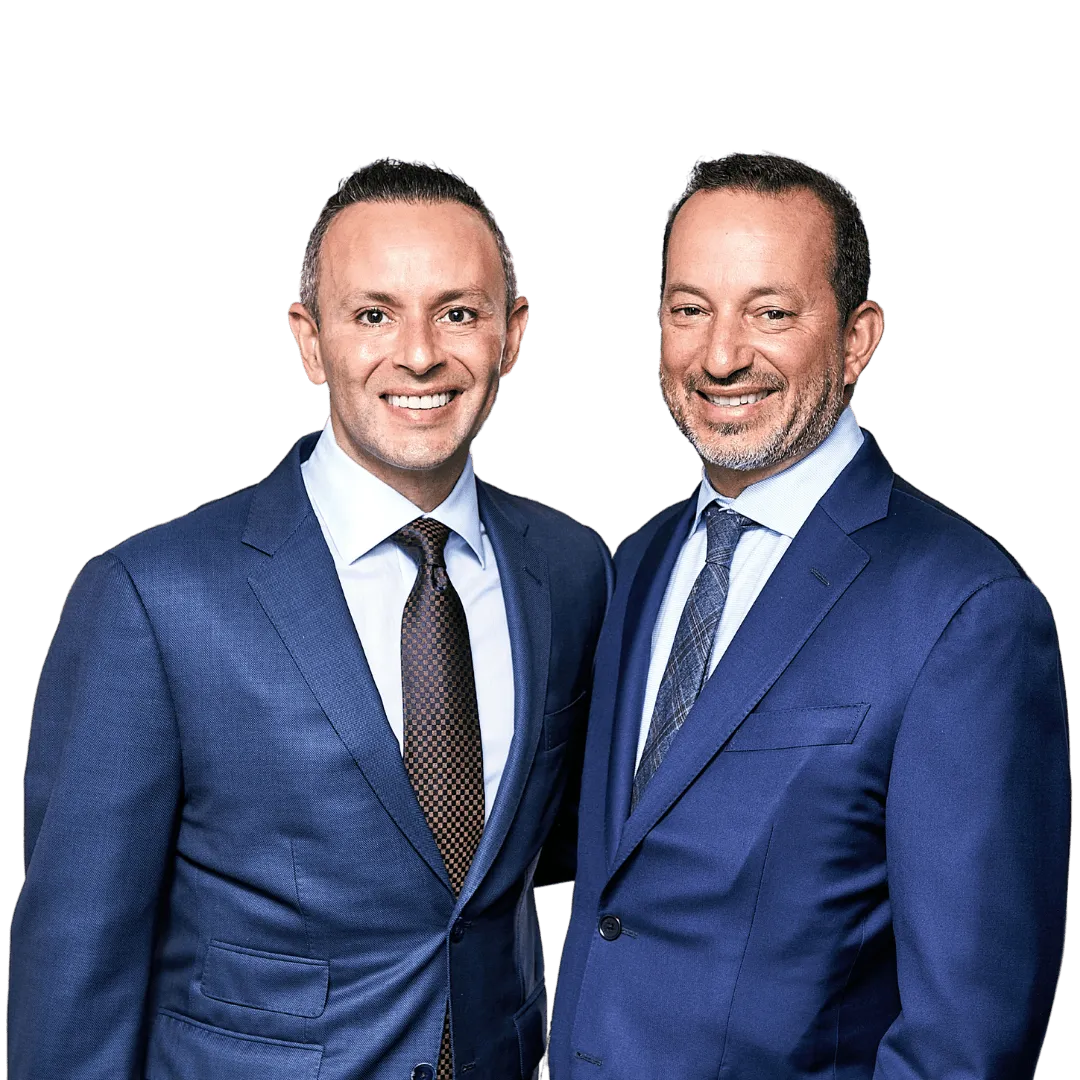
Partners Howard Raphaelson and Andrew Levine lead Raphaelson & Levine and our serious injury practice for New Yorkers hurt in crashes, falls and accidents at work.
Our firm has 16 attorneys and 240+ years of combined legal experience.
The attorneys on your file work your case with both partners, and you'll know who is handling it.
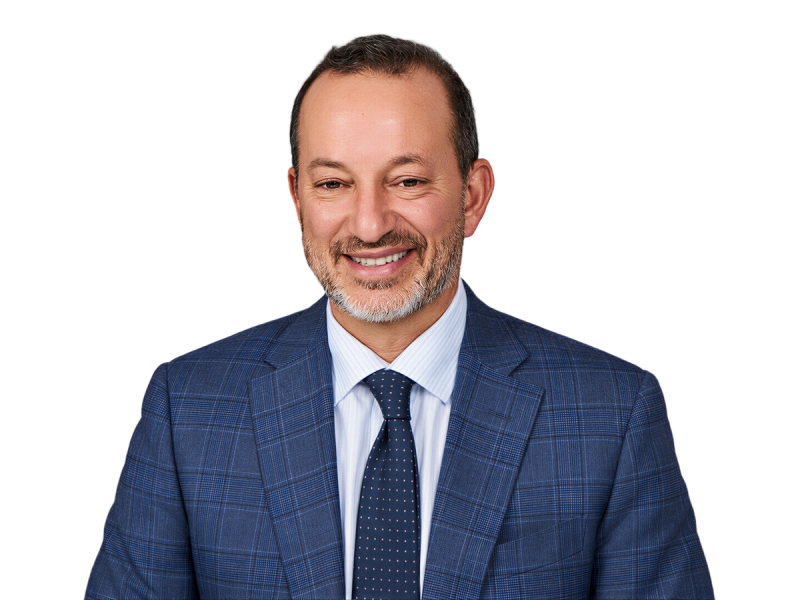
Howard Raphaelson
Partner

Andrew Levine
Partner

Joseph Taylor
Managing Attorney

Michael Abel
Attorney

Salvatore Asaro
Attorney

Jared Dubin
Attorney

Julia Fayziyev
Attorney

Corey T. Flick
Attorney

Steven Gershowitz
Attorney

Enrique Hernandez, Jr.
Attorney

Benjamin Katz
Attorney

Jason Krakower
Attorney

Alyx Lewis
Attorney

Dario Martinez
Attorney

Steven November
Attorney

Samantha Raphaelson
Attorney

“Unfortunately, my husband Chi was rear ended at a stop sign and ended up with a painful injury. He had to go through a major back surgery to get out of pain.”
Suzanne L.
Back surgery after a rear-end crash
After a Serious Injury Accident in New York City
Don't guess, downplay your injuries or speculate about fault, and don't give the other side's insurer a recorded statement before talking with a lawyer.
Adjusters call early and ask how you feel; "a little sore" can become proof the injury was minor. Let us take those calls.
Yes. A prior injury doesn't end your case; it focuses on what the accident made worse, shown through records from before and after.
In one case, Howard Raphaelson showed that a crash aggravated a young man's herniated disc even though his MRIs before and after looked nearly identical. It settled.
You generally have three years from the date you were hurt to file a personal injury lawsuit in New York, whether it was a car crash, a fall or a defective product (CPLR § 214).
If you are injured due to the negligence of a city, county, town, village, school district, or public authority in New York, you must serve a formal Notice of Claim within just 90 days of the incident (NY GML § 50-e).
When a New York City agency is responsible, the Notice of Claim is served on the NYC Comptroller's Office; claims against separate authorities, such as NYCHA, the MTA and NYC Health + Hospitals, must be served on that authority instead.
Specific deadlines can vary; we'll confirm what applies after we review the details.
When an injured person is a minor (under 18 years old) at the time of the accident, New York law generally extends the filing deadline.
For most personal injury claims, the deadline doesn't run out until your child turns 21 (CPLR § 208). The 90-day Notice of Claim for claims against government entities still applies, even when the injured person is a child.
Our child injury lawyers can confirm which deadline applies.
Often, yes, though insurers point to gaps in care to argue an injury wasn't serious.
We find out your reason and document it. Get care now.
In a motor vehicle case between people covered by New York's no-fault law, an injury below the serious injury threshold can't support recovery for pain and suffering. The medical bills and lost earnings no-fault covers, called basic economic loss, can't be recovered in the lawsuit; losses beyond no-fault's limits may still be sought from a driver whose negligence caused the crash (Insurance Law § 5104).
When no motor vehicle was involved, the threshold doesn't apply.
Yes, in a motor vehicle case, when it fits one of New York's listed categories.
A herniated disc, whiplash or a concussion isn't named on New York's serious injury list, so in a motor vehicle case it counts only when it fits one of the listed categories, such as a "permanent consequential limitation of use of a body organ or member" or a "significant limitation of use of a body function or system," meaning a permanent, meaningful limit on how a body part works or a significant limit on how a body function or system works (Insurance Law § 5102).
We build that proof from your doctors' findings and imaging.
No. Our New York serious injury lawyers represent only injured people and their families. We never work for insurance companies, so our only job is getting you everything your case supports.
Nothing up front. We work on contingency, so there's no attorney fee unless we recover for you. Your consultation is free, and you can reach us 24/7 in English, Spanish or Mandarin.
Talk With a Serious Injury Lawyer in New York City
A free consultation with Raphaelson & Levine tells you where your injury stands, who may be responsible and what to do next. You leave the call with a clear plan for your back, neck, knee, shoulder, hand or eye injury, your fracture, your PTSD or your child's injury.
Bring what you have, even a name and a date.
We're available 24/7. Our New York serious injury lawyers represent injured people throughout New York State, from the five boroughs to Long Island, Westchester, Rockland and upstate New York.
Ranked Tier 1 in New York City by Best Law Firms®
Raphaelson & Levine holds a Tier 1 ranking for Personal Injury Litigation – Plaintiffs in New York City (2025–2027). Our firm and attorneys have earned 17 awards and professional recognitions, including honors from Best Lawyers® and Super Lawyers®.
















Free Consultation.
No Fee Unless We Win.
Overwhelmed with medical expenses, lost wages, pain, & suffering? Don't settle with an insurance company for less than you deserve. We're here for you.
We’re available to you 24/7
You'll have direct access to a paralegal, a dedicated attorney, and a dedicated partner
34 years of experience representing injured New Yorkers
The form didn’t load.
Call us instead. Intake is available 24/7, and the consultation is free.
- Get Directions
Manhattan
14 Penn Plaza Suite 1718 New York, NY 10122(212) 268-3222 - Get Directions
Long Island
135 Crossways Park Dr Suite 404 Woodbury, NY 11797(212) 268-3222 - Get Directions